



PREVENT PCP began in September 2021 and was designed to procure technologies that will enhance security in both public transportation and public areas. To achieve the expected results, we rely on a Pre-Commercial Procurement approach. It is an efficient and dependable method for contracting authorities to challenge market innovators through an open, transparent, and competitive process.
We successfully implemented Phase 0 “Preparatory Stage,” which consisted of pre-tendering and tendering parts of planned actions. The next step was Phase 1 “Solution Design,” focused mainly on the technical aspects of proposed technologies. Recently, the project team concluded Phase 2 “Prototype Development”. Let us explore further the activities undertaken and the practical aspects of the work.
As previously informed, 4 of the 6 tenderers, which participated in the first part of the PCP process, were awarded a Phase 2 contract:
The second stage of the work was very intense for the project partners, public buyers, and contractors participating in the PCP process. Overall, the activities included testing the algorithms at the contractors’ premises, installing and calibrating the solutions in SNCF (one of the PREVENT PCP Public Buyers) premises, and then evaluating them connected to 50 cameras in Paris Gare du Nord station. The main highlights from this are:
In such initiatives, effective cooperation and sufficient communication between the project representatives and external entities are crucial. Without them in place, the expected results might not meet the needs. With that in mind, there were numerous oral consultations, also during tests in SNCF premises. Moreover, the members of the Technical Management and Procurement Evaluation Committees, as well as technical advisors, had 8 dedicated meetings with each contractor in order to build the solutions together and optimise performance through the sharing of feedback.
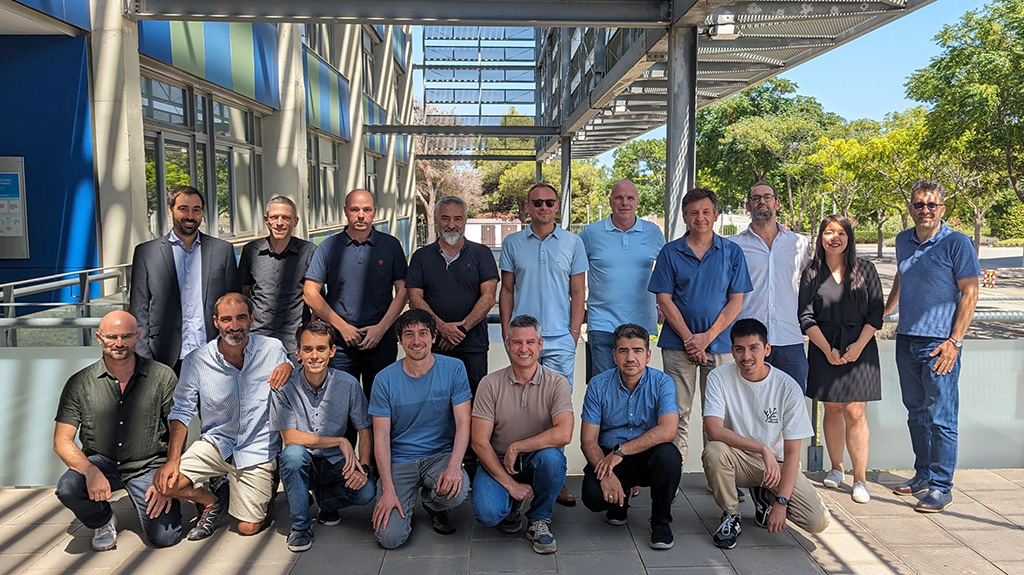
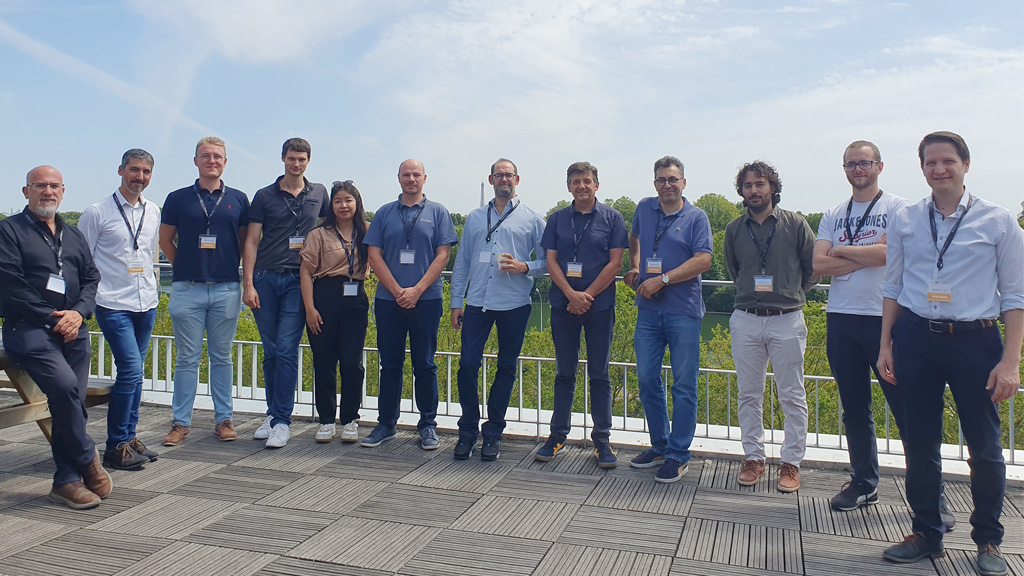
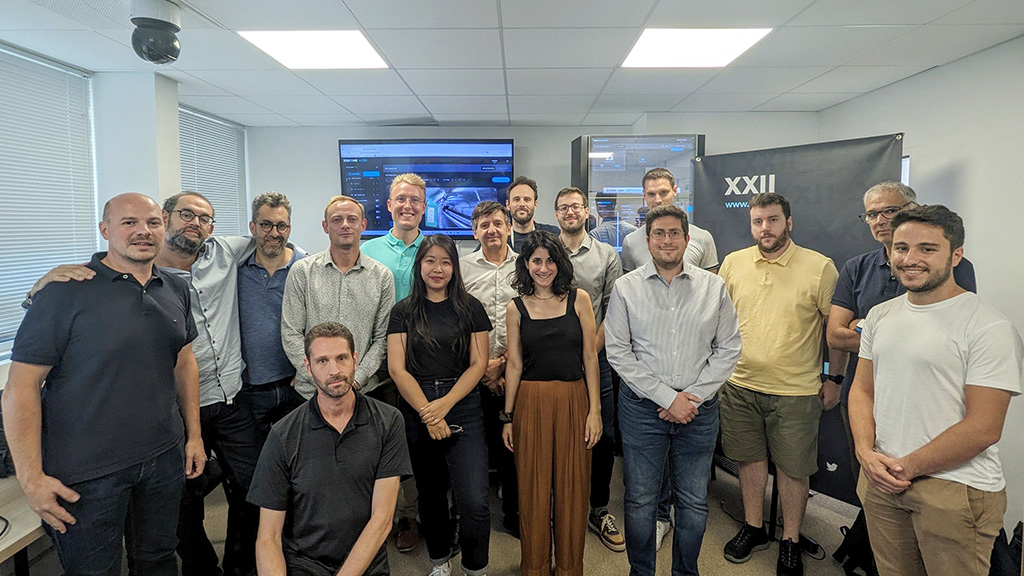
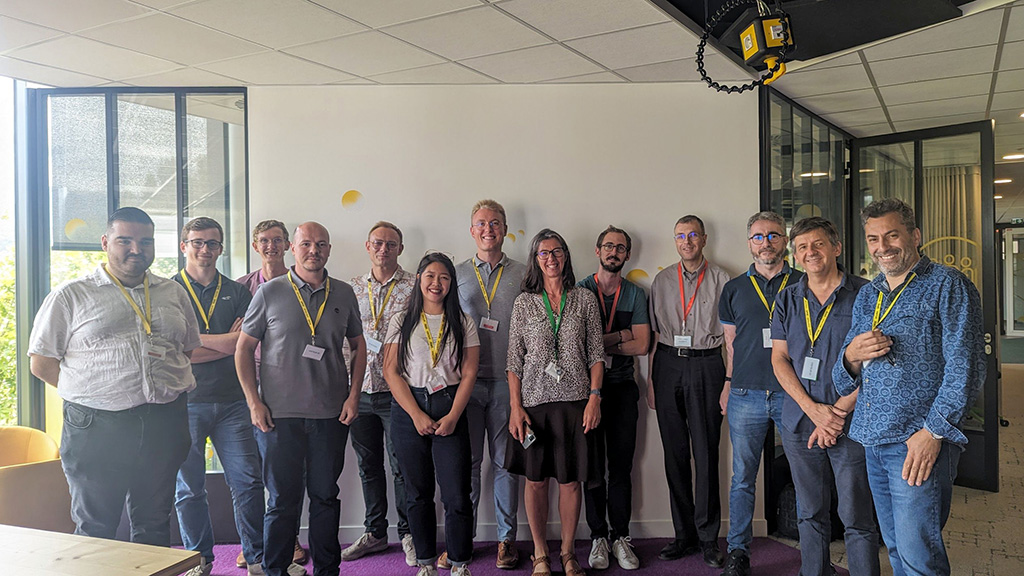
PREVENT PCP achieved the next milestone on February 12, this year, with Phase 3 “Operational Validation” kick-off meeting. The key information regarding this event was which consortia were qualified for the last stage of the PCP. Led by KEMEA, as the main procurer, and based on the public buyers’ evaluation that considered both technical and financial aspects of developed solutions, BULL SAS and PREVAIL teams were awarded a Phase 3 contract and were invited to participate in further works. What will the planned activities include?
The 2 contractors will optimise their solutions in SNCF premises on the 50 cameras from Phase 2 before deploying their solutions in the 7 pilot sites. The tests will be organised using the infrastructure of the PREVENT PCP partners, which are at the same time public transport operators. Thus, developed technologies will be evaluated by SNCF in Paris and Marseille, RATP in Paris, TMB in Barcelona, FGC in Barcelona, AMT in Genova, and Metropolitano de Lisboa, the operator of the Lisbon Metro.
The planned activities include delivering the hardware, such as servers and workstations, the installation at each pilot site, the camera calibration, and the tests to fine-tune the solution for each pilot site. 10 progress meetings are also planned with each contractor and the PREVENT PCP consortium to follow up on their progress and share feedback.
The other main activity for Phase 3 is the validation of societal acceptance through the launch of a societal survey in the 4 pilot countries. By means of an online large-scale population survey in the 4 pilot countries, a representative sample of 1000 people per country will be questioned on several issues: the general acceptance of the developed technology, perception of advantages and disadvantages of the technologies, knowledge of the technologies, obstacles, data access and usage, ethical or privacy issues.
Phase 3 of the Pre-Commercial Procurement is at the same time the last stage of the process. There are 2 contractors on stage which will be developing their solutions. The goal is to bring them to a high technology readiness level (TRL 8-9) to have a product that could be used by the end-users and sold to potential customers. It means there will be multiple winners.
Public transport operators and public buyers will have on the horizon the solutions that respond to their security-related challenges. Awarded companies have already developed their technologies and know-how, and will also be able to commercialise the solutions. Finally, assuming a successful implementation of tools to detect unattended items in public transport facilities. It can result in enhanced security of citizens and fewer crisis situations in which security forces are involved.
The successful completion of the work achieved during Phase 3 will be assessed by the Technical Management and Procurement Evaluation Committees at the end of the PREVENT PCP.
Then, the PREVENT PCP Public Buyers will consider a follow-up PPI (Public Procurement of Innovative Solutions) to award a limited set of prototypes and/or test products developed during this PCP procurement (“limited follow-up PPIs”). A follow-up PPI for a commercial volume of the innovative solutions developed in this PCP procurement will be subject to a new Call for Tenders.


 5 November 2024
